
Crate training is one of the most effective ways to provide safety, security, and comfort for your dog. Whether you’re raising a playful puppy, managing a high-energy adult, or caring for a senior dog, a well-designed crate setup offers numerous benefits. However, to make crate training successful and safe, it’s crucial to understand the best practices and choose the right crate for your dog’s needs.
In this comprehensive guide, we’ll explore the essential aspects of crate training and safety, including choosing the right crate, setting it up correctly, and implementing safe training techniques.
Why Crate Training Is Essential
Crate training is not just about containment—it’s about creating a positive, secure environment where your dog can relax and feel safe. When done correctly, crate training supports your dog’s physical and emotional well-being.
Key Benefits of Crate Training:
- Safety and Security: Prevents dogs from getting into harmful situations when unsupervised.
- Housebreaking Aid: Helps dogs learn bladder control and establishes bathroom routines.
- Calm Space: Provides a personal retreat that reduces anxiety and stress.
- Travel Safety: Keeps your dog secure during car rides and reduces the risk of accidents.
- Training and Routine: Establishes consistent behavior and routine.
According to the American Kennel Club (AKC), crate training is highly effective when approached with patience and positive reinforcement.
Choosing the Right Crate: Safety Comes First
Not all crates are created equal, and selecting the right one is crucial for your dog’s comfort and safety. Here’s what to consider:
1. Crate Material:
- Heavy-Duty Aluminum: Best for strong or anxious dogs. Durable, chew-proof, and escape-resistant.
- Plastic Crates: Great for travel and air transport but less durable for strong chewers.
- Wire Crates: Offers good ventilation but may not withstand heavy chewing or forceful dogs.
- Soft-Sided Crates: Ideal for calm dogs or temporary use, but not escape-proof.
Recommended Crate:
Impact Dog Crates are made from aircraft-grade aluminum, providing unmatched durability and safety. They’re chew-proof, escape-proof, and designed to withstand heavy impacts.
2. Crate Size:
Choosing the right size crate ensures your dog’s comfort and safety.
- Puppies: A crate with a divider is ideal to accommodate growth.
- Adult Dogs: The crate should be large enough for your dog to stand, turn around, and lie down comfortably.
- Senior Dogs: Consider orthopedic bedding for added comfort.
3. Safety Features:
- Secure Latches: Prevents accidental escape.
- Ventilation Holes: Ensures proper airflow and reduces heat buildup.
- Rounded Corners and Edges: Reduces the risk of injuries.
- Crash-Tested Design: Essential for travel safety.
Setting Up the Crate for Safety and Comfort
A crate should feel like a sanctuary, not a cage. Here’s how to make it inviting and safe:
1. Location Matters:
- Quiet Area: Choose a calm spot away from high traffic.
- Temperature Control: Avoid placing the crate near heaters or in direct sunlight.
- Visibility: Your dog should be able to see their surroundings to reduce anxiety.
2. Comfortable Bedding:
- Use a soft, durable mat or orthopedic bed for support.
- Choose bedding that is washable and resistant to chewing.
3. Add Calming Elements:
- Favorite Toy or Blanket: Something familiar and comforting.
- Calming Pheromones: Consider using diffusers or sprays to reduce anxiety.
4. Keep It Clean:
- Regularly wash the bedding and wipe down the crate to maintain hygiene.
- Use a removable tray to simplify cleaning after accidents.
Safe and Effective Crate Training Techniques
Proper training makes all the difference between a dog that loves their crate and one that dreads it. Follow these proven steps to build positive associations:
1. Introduce the Crate Gradually:
- Keep the door open and allow your dog to explore.
- Toss treats inside to encourage curiosity.
- Never force your dog in, as it can create negative associations.
2. Make It a Positive Experience:
- Use praise and treats every time your dog voluntarily enters the crate.
- Feed your dog inside the crate to build positive connections.
3. Start with Short Stays:
- Begin with brief periods while you are home.
- Gradually increase the duration as your dog becomes more comfortable.
4. Practice Regular Crate Time:
- Use the crate during calm periods, not just when leaving the house.
- Avoid crating your dog only as a form of punishment.
Crate Safety Tips: Avoiding Common Pitfalls
1. Never Leave a Dog in a Crate for Too Long:
- Puppies: No more than 2-3 hours at a time.
- Adult Dogs: Up to 4-6 hours, depending on training and temperament.
- Overnight: Dogs that are well-trained can be crated for 7-8 hours.
2. Watch for Signs of Distress:
- Excessive whining, barking, or scratching can indicate anxiety.
- Restlessness or refusal to enter the crate might suggest discomfort or negative associations.
3. Don’t Use the Crate as Punishment:
Your dog should associate the crate with positive, calm experiences. Using it for discipline undermines this goal.
Travel Safety: Crating on the Go
Traveling with your dog requires special attention to safety. A crash-tested crate, like those from Impact Dog Crates, provides the best protection during car rides.
Travel Tips:
- Secure the Crate: Use tie-down straps to anchor it to the vehicle.
- Position Properly: Keep the crate in the back seat or cargo area, away from airbags.
- Add Travel Accessories: Use non-spill water bowls and a comfortable travel mat.
Why Impact Dog Crates Are the Top Choice for Safety
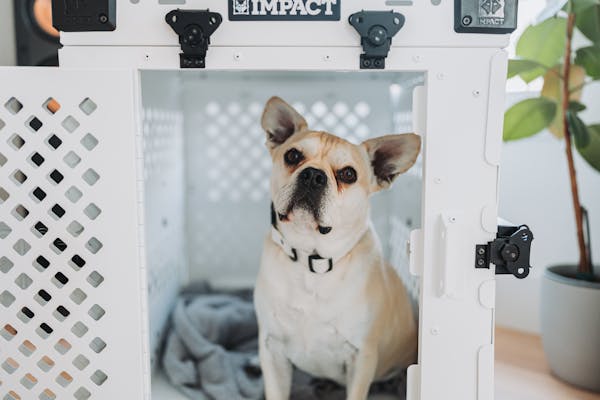
When it comes to crate safety, not all products are equal. Impact Dog Crates are engineered with the highest standards to ensure your dog’s security and comfort.
Why Choose Impact Dog Crates:
- Heavy-Duty Aluminum Construction: Chew-proof and nearly indestructible.
- Escape-Proof Design: Secure latches prevent even the most determined dogs from getting out.
- Crash-Tested for Safety: Proven protection during car accidents.
- Superior Ventilation: Keeps dogs cool and comfortable.
- Easy to Clean: Removable trays and smooth surfaces for hassle-free maintenance.
Real-Life Success Story: Rocky’s Safe Recovery
Rocky, a 5-year-old German Shepherd, suffered a leg injury that required weeks of crate rest. His owner, Sarah, chose an Impact Dog Crate to ensure his safety and comfort. The durable construction and orthopedic bedding kept Rocky relaxed while healing, and the secure latches gave Sarah peace of mind, knowing Rocky wouldn’t break free and worsen his injury.
Final Thoughts: Crate Training Done Right
Crate training is more than just containment—it’s about providing a safe, positive space that supports your dog’s well-being. Whether you’re training a puppy, managing an anxious adult, or caring for a senior dog, the right crate makes all the difference.By choosing a high-quality, durable crate like those from Impact Dog Crates and following proper training techniques, you’ll create a secure environment that your dog will love and feel safe in. Make crate training a positive experience, and you’ll have a happier, safer, and well-adjusted companion by your side.
 Dog Safety Systems
Leave a comment