
Crates are an essential tool for dog owners, providing a safe and comfortable space for their pets to rest, relax, and feel secure. Whether you’re using a crate for training, travel, or simply giving your dog a place to unwind, proper crate safety is crucial.
Choosing the right crate and using it correctly can make a huge difference in your dog’s comfort and safety. In this guide, we’ll cover everything you need to know about crate safety—from selecting the perfect crate to keeping your dog secure and content.
Why Crate Safety Matters
Crate safety is about more than just containment—it’s about ensuring your dog’s physical and emotional well-being. An unsafe crate setup can lead to injuries, anxiety, or even escape attempts. By prioritizing safety and comfort, you create a positive environment that benefits both you and your dog.
Top Reasons Crate Safety Is Important:
- Prevents Injuries: An unstable or poorly designed crate can harm your dog.
- Reduces Anxiety: A comfortable, secure crate lowers stress and panic.
- Prevents Escapes: Secure latches and robust construction keep your dog safely contained.
- Enhances Training: A safe, cozy crate supports positive behavior.
- Ensures Travel Safety: Crash-tested crates protect your dog during car rides.
Step 1: Choosing the Right Crate
The first step to crate safety is selecting the right crate for your dog’s size, behavior, and lifestyle. Here are some key factors to consider:
1. Material and Durability
Choose a crate that matches your dog’s energy level and temperament.
- Heavy-Duty Aluminum Crates: Best for high-energy or anxious dogs that may chew or try to escape.
- Plastic Travel Crates: Ideal for car rides or air travel but may not withstand strong chewers.
- Wire Crates: Good for ventilation but can bend or break under pressure.
- Soft-Sided Crates: Suitable for calm dogs but not for escape artists or chewers.
Recommended Crate:
Impact Dog Crates are made from aircraft-grade aluminum, making them incredibly durable and escape-proof. They’re designed for maximum safety and comfort, especially for strong or anxious dogs.
2. Size Matters
The crate should be large enough for your dog to:
- Stand up comfortably
- Turn around easily
- Lie down and stretch out
Tip: Measure your dog’s length and height before purchasing. Add a few inches to each measurement for optimal comfort.
3. Safety Features to Look For
- Secure Latches: Ensure your dog can’t push or manipulate the lock.
- Rounded Corners: Prevent injuries from sharp edges.
- Proper Ventilation: Perforated sides or wire panels for airflow.
- Sturdy Construction: No weak joints or flimsy materials that could break under stress.
- Non-Slip Base: Prevents the crate from moving or tipping.
Step 2: Setting Up the Crate for Safety and Comfort
Creating a safe and comfortable environment inside the crate is crucial. Here’s how to do it:
1. Choose the Right Location
- Avoid Direct Sunlight: Keep the crate out of hot, sunny spots.
- Low-Traffic Areas: Choose a quiet corner where your dog can feel secure.
- Away from Hazards: Keep the crate away from electrical cords or unstable objects.
2. Add Comfort Items
- Soft Bedding: Use a durable, washable crate pad or bed.
- Toys and Chews: Include safe, durable toys to keep your dog entertained.
- Scented Blanket: A familiar scent can help reduce anxiety.
Caution: Avoid items that can be chewed apart or ingested, especially with puppies or heavy chewers.
3. Secure the Crate Properly
- Stabilize the Base: Use non-slip pads or rubber mats to keep the crate from sliding.
- Anchor During Travel: Tie down the crate with straps to anchor it securely in the car.
- Check Latches Regularly: Ensure all locks are secure before leaving your dog inside.
Step 3: Safe Crating Practices
Safe crating is more than just putting your dog inside—it’s about using the crate in a way that promotes comfort and security.
1. Never Use the Crate as Punishment
Dogs should see the crate as a safe haven, not a place of discipline. Using the crate as punishment can create negative associations and increase anxiety.
2. Monitor Crate Time
- Puppies: No more than 2-3 hours at a time.
- Adult Dogs: Up to 4-6 hours, depending on training and needs.
- Overnight: Dogs can usually stay crated for 7-8 hours if they’re well-trained.
Warning: Never leave a dog crated for long periods without breaks, as it can lead to stress and health issues.
3. Check for Safety Regularly
Inspect the crate often to ensure:
- No bent or broken bars
- Latches and locks are functioning properly
- No sharp edges or loose parts
Step 4: Traveling Safely with Your Dog in a Crate
When traveling, crate safety becomes even more important. Here’s how to ensure a secure ride:
1. Crash-Tested Crates Are a Must
Choose a crash-tested crate like those from Impact Dog Crates, which are specifically designed to withstand car accidents.
2. Secure the Crate in Your Vehicle
- Use Tie-Down Straps: Attach the crate to vehicle anchor points.
- Position Carefully: Place the crate in the rear cargo area or on the back seat.
- Avoid Airbag Zones: Never place the crate where an airbag could deploy.
3. Make It Comfortable for Long Rides
- Hydration: Include a spill-proof water bowl.
- Ventilation: Make sure the crate has adequate airflow.
- Calming Aids: Use pheromone sprays or familiar bedding to reduce anxiety.
Step 5: Training Your Dog for Crate Safety
Training your dog to love their crate is essential for both safety and comfort. Follow these tips to make crate training positive and stress-free:
1. Introduce the Crate Gradually
- Leave the door open and encourage your dog to explore.
- Use treats and praise when your dog voluntarily enters the crate.
2. Build Up Crate Time Slowly
- Start with short intervals, gradually increasing the duration.
- Stay close at first to help your dog feel secure.
3. Maintain a Routine
- Crate your dog at consistent times to build a routine.
- Use the crate for naps and quiet time, not just when leaving the house.
Why Impact Dog Crates Are the Best Choice
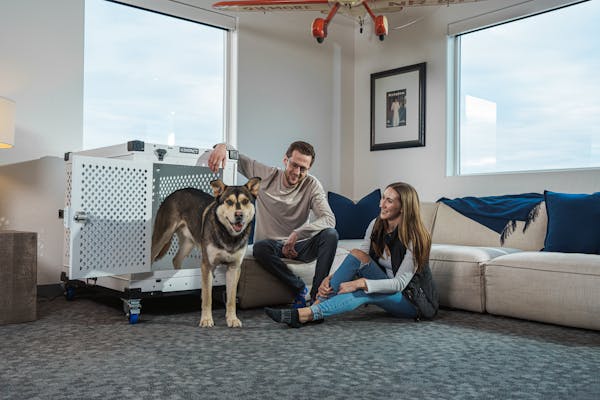
When it comes to crate safety, quality and durability are non-negotiable. Impact Dog Crates are built with safety in mind and designed to withstand even the most determined dogs.
Top Features That Make Impact Dog Crates Stand Out:
- Aircraft-Grade Aluminum: Chew-proof and rust-resistant.
- Crash-Tested for Safety: Ideal for car travel.
- Escape-Proof Locks: Prevent dogs from opening the door.
- Ventilation Design: Keeps your dog cool and comfortable.
- Easy to Clean: Removable floor pans make cleaning hassle-free.
Final Thoughts: Safe and Happy Crate Time
Crate safety isn’t just about keeping your dog contained—it’s about providing a secure, comfortable environment that supports their well-being. Whether at home or on the road, investing in a durable, crash-tested crate like those from Impact Dog Crates ensures your dog stays safe and relaxed.
By following the tips and guidelines in this guide, you can make crate training a positive experience that keeps your dog happy, secure, and out of harm’s way. Prioritize safety, invest in quality, and enjoy the peace of mind that comes with knowing your dog is protected.
 Dog Safety Systems
Leave a comment