
Hyperactive dogs are a whirlwind of energy. They’re the life of the party, always on the move, and often leave a trail of chaos behind them. While their enthusiasm can be endearing, it also poses safety risks. Whether they’re chewing on hazardous objects, jumping through open windows, or bolting out the door, their high energy can quickly turn dangerous.
One of the best ways to keep hyperactive dogs safe is through proper crate training. A crate offers a controlled, secure space that not only helps manage their energy but also reduces the risk of injury or escape. In this article, we’ll explore why crates are essential for hyperactive dogs, how to make crating a positive experience, and why investing in a high-quality crate like Impact Dog Crates is a game-changer.
Why Hyperactive Dogs Need Crate Training
Hyperactive dogs often act without thinking, driven by excitement, anxiety, or pure energy. This behavior can be risky, both for the dog and the household. Crating provides a structured way to manage that energy while keeping your dog safe.
Top Reasons Crates Are Essential for Hyperactive Dogs:
- Prevents Destructive Behavior: Stops dogs from chewing on dangerous or valuable items.
- Reduces Injury Risks: Keeps dogs from running into sharp objects or falling from heights.
- Limits Escapes: Prevents dogs from bolting out open doors or windows.
- Provides a Calming Space: Creates a den-like environment that encourages relaxation.
- Supports Training and Routine: Helps establish consistent behavior patterns.
According to the American Veterinary Medical Association (AVMA), crate training is an effective tool to reduce anxiety and manage high-energy behavior.
How Crates Keep Hyperactive Dogs Safe
1. Containment During High-Energy Moments
Hyperactive dogs often act on impulse, darting through doors, jumping on guests, or leaping off furniture. A crate provides a secure spot for your dog to calm down when they’re overstimulated.
How Crates Help:
- Safety During Chaos: When guests arrive or during household activity, crating prevents accidents and chaos.
- Prevents Bolting: Keeps your dog contained when doors or windows are open.
- Controlled Environment: Limits movement, reducing the risk of injury from jumping or climbing.
Real-Life Example:
Imagine your dog reacting to fireworks or visitors by bolting out the door or knocking over furniture. A secure crate acts as a safe space where they can ride out the excitement without putting themselves at risk.
2. Reducing Destructive Chewing and Digging
One of the most common problems with hyperactive dogs is their tendency to chew and dig. This can result in destroyed furniture, ruined belongings, and even injuries from ingesting harmful objects.
Why Crates Are Crucial:
- Limits Access to Hazards: Keeps dogs away from electrical cords, toxic substances, or sharp objects.
- Chew-Resistant Design: Heavy-duty crates like those from Impact Dog Crates are built to withstand even the most determined chewers.
- Prevents Damage: Protects your home from your dog’s destructive impulses.
3. Creating a Calming Environment
While it might seem counterintuitive to crate a hyperactive dog, the enclosed space actually helps them relax. Dogs are den animals by nature, and a crate mimics a secure, enclosed den that feels safe and comforting.
How to Make the Crate Calming:
- Add Soft Bedding: A comfortable mat or pad makes the crate inviting.
- Include Familiar Items: Use your dog’s favorite toy or a shirt with your scent to create a sense of security.
- Cover the Crate: Draping a lightweight blanket over part of the crate can reduce visual stimuli and make the space feel cozier.
4. Supporting Training and Routine
Hyperactive dogs often lack consistent routines, which can contribute to erratic behavior. Crating helps establish a routine that teaches your dog when it’s time to relax and when it’s time to play.
Training Tips:
- Use Commands: Teach a consistent cue like “crate time” to signal relaxation.
- Practice Short Intervals: Start with short crate sessions and gradually increase the time.
- Reward Calm Behavior: Reinforce relaxation with treats and praise when your dog remains calm in the crate.
5. Safety During Travel and Transport
Taking a hyperactive dog on car trips can be risky. Unrestrained dogs can become projectiles during sudden stops or distract the driver by moving around the car.
Why Crates Make Travel Safer:
- Crash-Tested Safety: Crates like those from Impact Dog Crates are designed to protect dogs during collisions.
- Stabilized Positioning: Prevents dogs from moving around the car, reducing distractions.
- Calms Anxiety: A familiar crate environment helps reduce travel-related stress.
Choosing the Best Crate for Hyperactive Dogs
Hyperactive dogs need crates that can withstand their energy and keep them secure. Here are the features to look for:
1. Heavy-Duty Construction:
- Material: Choose aircraft-grade aluminum for durability.
- Reinforced Welds: Prevent bending or breaking during escape attempts.
- Chew-Proof: Essential for dogs that gnaw on bars or latches.
2. Secure Locking Mechanisms:
- Escape-Proof Latches: Prevent dogs from manipulating the lock.
- Tamper-Resistant Design: Reduces the risk of accidental openings.
3. Ventilation and Comfort:
- Ample Airflow: Ensures your dog stays cool and comfortable.
- Rounded Corners: Prevent injuries from rubbing or digging.
🏆 Recommended Crate: Impact Dog Crates
Impact Dog Crates are specifically designed for durability and safety. With features like chew-proof aluminum construction and escape-proof latches, these crates are ideal for managing hyperactive and high-energy dogs.
Training Tips to Help Hyperactive Dogs Adjust to Crates
Crate training hyperactive dogs requires patience and consistency. Here’s how to make the transition smoother:
1. Make It Positive:
- Use high-value treats to reward your dog for entering the crate.
- Gradually increase the time your dog spends inside, praising calm behavior.
2. Use Crate Games:
- Toss treats inside to encourage voluntary entry.
- Play hide-and-seek games by covering the crate with a blanket and letting your dog find the entrance.
3. Establish a Routine:
- Use the crate for scheduled nap times or quiet periods.
- Keep the routine consistent to help your dog understand that crate time means calm time.
4. Never Use the Crate as Punishment:
The crate should always be a safe and positive space, not a place of isolation or discipline.
Why Impact Dog Crates Are the Best Choice
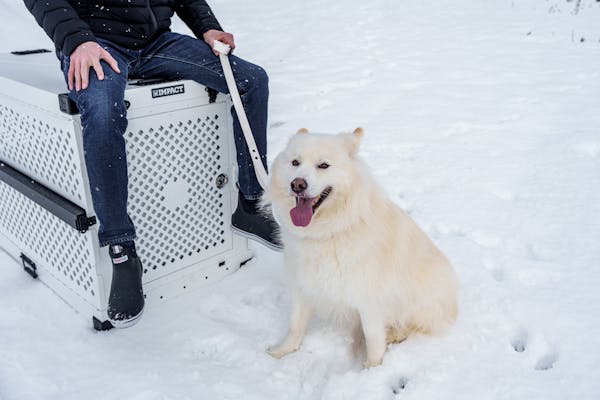
When dealing with a hyperactive dog, quality and security are non-negotiable. Impact Dog Crates deliver on both fronts by offering:
- Aircraft-Grade Aluminum Construction: Chew-proof and nearly indestructible.
- Secure Locking Mechanisms: Designed to withstand even the most determined escape attempts.
- Crash-Tested Safety: Protects your dog during travel.
- Comfortable and Well-Ventilated Design: Ensures your dog stays relaxed and cool.
- Easy to Clean: Removable pans make cleaning up accidents quick and hassle-free.
Final Thoughts: A Safe Space for Hyperactive Dogs
Hyperactive dogs need structure and safety to thrive. By crate training your energetic companion, you’re not only protecting your home from damage but also providing a safe, calming environment that helps reduce stress and injury.Investing in a durable and secure crate like Impact Dog Crates ensures that your dog remains safe during high-energy moments and learns to relax when needed. Embrace crate training as a positive and proactive way to keep your hyperactive dog happy, safe, and well-adjusted.
 Dog Safety Systems
Leave a comment