
Emergencies can strike without warning. From natural disasters like hurricanes and wildfires to unexpected medical crises or accidents at home, the chaos of an emergency can leave pet owners scrambling to ensure their dog’s safety. While we can’t predict when disaster will strike, we can prepare—and one of the most essential tools in your emergency preparedness kit is a durable, secure dog crate.
Crate training not only offers your dog a safe place to rest and relax but can also be a literal lifesaver during critical situations. In this article, we’ll explore how crate training can protect your dog during emergencies, why it’s essential for both home and travel, and how to make sure your dog is prepared for any situation.
Why Crate Training Is Crucial During Emergencies
In an emergency, the most immediate priority is keeping your loved ones safe—including your dog. Untrained or uncrated dogs can become a serious risk to themselves and others, especially when fear and confusion take over.
Top Reasons Crate Training Saves Lives in Emergencies:
- Prevents Escapes: A crated dog is less likely to bolt out of fear.
- Protects from Debris and Falling Objects: The crate acts as a protective barrier.
- Simplifies Evacuation: Crated dogs are easier to transport and keep secure.
- Reduces Stress and Panic: A familiar crate provides comfort and reduces anxiety.
- Meets Shelter Requirements: Many evacuation centers require pets to be crated.
1. Preventing Dangerous Escapes
When disaster strikes, doors are often left open, windows can break, and chaos ensues. A panicked dog may instinctively run, putting themselves at risk of getting lost, injured, or even killed by traffic.
How a Crate Prevents Escapes:
- Secure Containment: Heavy-duty crates like Impact Dog Crates are built to withstand pawing, biting, and frantic escape attempts.
- Escape-Proof Latches: Designed specifically to prevent clever dogs from manipulating the lock.
- Visibility and Comfort: Strategic ventilation holes allow dogs to see their surroundings, reducing panic while keeping them safely enclosed.
Real-Life Scenario:
Imagine trying to evacuate during a wildfire with your dog loose in the house. In a panic, your dog might dart out the door as you load the car, getting lost in the chaos. A secure crate ensures your dog remains safely contained, ready to evacuate alongside you.
2. Protection from Debris and Falling Objects
During emergencies like earthquakes, tornadoes, or severe storms, debris and falling objects pose significant hazards. Dogs that roam freely during such events risk getting struck or trapped.
Crate as a Safety Barrier:
- Sturdy Construction: Impact Dog Crates are made from aircraft-grade aluminum, capable of withstanding impacts and heavy loads.
- Reinforced Corners and Walls: Built to resist bending or collapsing under pressure.
- Crash-Tested for Vehicle Safety: Keeps your dog protected during sudden stops or collisions.
Why It Matters:
In tornado-prone areas, keeping your dog in a secure crate can protect them from flying debris, while in earthquake zones, it minimizes the risk of falling objects injuring your pet.
3. Simplifying Evacuation and Transport
Emergencies often demand quick evacuation. Trying to leash and control a fearful dog while packing up essentials can be nearly impossible. A crate makes evacuation smoother and safer for everyone involved.
Why Crating Eases Evacuation:
- Quick Mobility: A lightweight, portable crate can be easily lifted and loaded into a vehicle.
- Safe Transport: Keeps your dog secure and reduces the risk of distraction while driving.
- Prevents Injury: An unrestrained dog can become a projectile during sudden stops or collisions.
Emergency Drills:
Practice crating your dog under calm conditions so they become comfortable entering the crate quickly. This habit can be a lifesaver when time is of the essence.
4. Reducing Stress and Anxiety During Emergencies
Dogs are highly sensitive to their owner’s emotions and can quickly pick up on panic or fear. An anxious dog may become difficult to handle, increasing the risk of escape or injury. A crate provides a familiar, calming environment that helps your dog feel secure.
Stress Reduction Techniques:
- Familiar Bedding and Toys: Keep a soft mat and a favorite toy inside the crate.
- Cover the Crate: Use a lightweight blanket to create a den-like feel and reduce visual stimuli.
- Practice Positive Crate Time: Make the crate a regular part of your dog’s routine so it feels like a safe, welcoming space.
According to the American Veterinary Medical Association (AVMA), reducing stress during emergencies significantly lowers the chances of panic and bolting.
5. Complying with Emergency Shelter Requirements
During large-scale evacuations, finding a pet-friendly shelter can be challenging. Many shelters require pets to be crated for safety, hygiene, and comfort. Having your dog crate-trained and accustomed to their space makes the shelter transition far less stressful.
Why Crates Are Mandatory in Shelters:
- Safety for All: Prevents fights and keeps dogs secure.
- Reduces Stress: A familiar crate helps maintain routine and comfort.
- Space Management: Crates organize the shelter area, minimizing chaos.
Pro Tip: Attach an ID tag to your dog’s crate with contact information, medical records, and emergency contacts to ensure a quick reunion if separated.
6. Preparing Your Dog for Emergency Crating
Training your dog to see the crate as a positive space is essential, especially when emergencies arise. Here’s how to build positive crate associations:
Start Early:
Introduce the crate when your dog is calm and curious, rewarding them for going inside.
Use High-Value Treats:
Encourage your dog to enter the crate by placing favorite treats or toys inside.
Practice Calm Departures and Returns:
Avoid making a fuss when leaving or returning home to reduce anxiety.
Crate Games:
Use interactive crate games to build positive associations, like tossing treats in and allowing your dog to retrieve them.
The Best Crate for Emergency Preparedness: Impact Dog Crates
When your dog’s safety is at stake, quality matters. Impact Dog Crates are designed to withstand extreme situations and provide unparalleled durability and security.
Why Choose Impact Dog Crates:
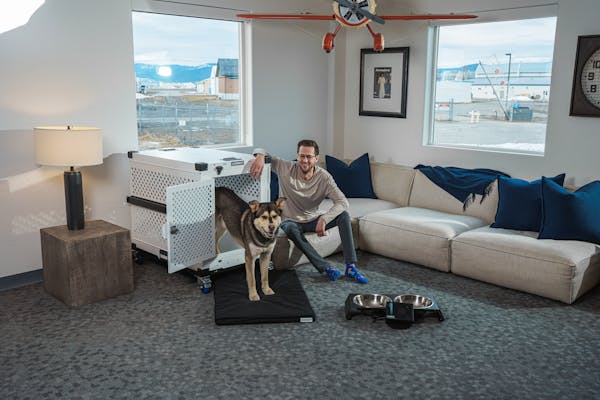
- Heavy-Duty Construction: Made from aircraft-grade aluminum for maximum strength.
- Escape-Proof Design: Locks that resist tampering and keep your dog securely contained.
- Crash-Tested Safety: Proven to protect dogs during vehicle collisions.
- Portable and Collapsible Models: Easy to move and store when not in use.
- Ventilation: Keeps your dog comfortable even when the crate is covered.
Final Thoughts: Be Prepared Before Disaster Strikes
Emergencies can happen at any time, and being prepared is the best way to protect your dog. Crate training not only saves lives during emergencies but also helps your dog remain calm and secure amid chaos. The right crate—like an Impact Dog Crate—is a critical part of your disaster readiness plan.
By incorporating regular crate training into your routine and practicing emergency scenarios, you’ll ensure that your dog remains safe, calm, and protected when it matters most. Don’t wait for disaster to strike—prepare today, and give your dog the best chance of staying safe during an emergency.
 Dog Safety Systems
Leave a comment