
Crate training is often misunderstood as a form of confinement or punishment, but in reality, crating is one of the most effective ways to ensure both dog and owner safety. A well-chosen, properly used crate provides a secure, comfortable space that promotes positive behavior and prevents accidents. Whether you’re dealing with a curious puppy or a high-energy adult dog, a crate can be a lifesaver in many situations.
In this article, we’ll explore how crating keeps both dogs and their owners safe, why it’s essential for training and emergencies, and how to set up a safe and positive crating environment.
Why Crating Is Essential for Dog Safety
Dogs are naturally curious creatures, and that curiosity can sometimes put them at risk. From chewing on electrical cords to raiding trash cans or eating toxic substances, dogs can quickly find themselves in dangerous situations if left unsupervised.
How Crating Keeps Dogs Safe:
- Prevents Access to Hazards: Keeps dogs from chewing on dangerous items like cords or toxic plants.
- Reduces Anxiety and Stress: Provides a safe, cozy space during stressful events like thunderstorms or loud parties.
- Minimizes Injury Risks: Protects dogs from falling objects or harmful substances during home renovations or cleaning.
- Prevents Escapes: Keeps dogs secure during travel or when guests are coming and going.
Safety Proofing the Crate:
To maximize safety, choose a durable crate made from heavy-duty materials. Impact Dog Crates are particularly effective as they are constructed from aircraft-grade aluminum, making them resistant to chewing and breakouts.
How Crating Protects Dog Owners
Crating not only protects the dog but also safeguards the owner from potential issues that arise when dogs are left loose in the house.
Benefits for Owners:
- Reduces Property Damage: Prevents destructive behaviors like chewing on furniture or digging through carpets.
- Minimizes Liability: A crated dog is less likely to jump on guests or escape from the house.
- Ensures Cleanliness: Helps with housebreaking and prevents accidents on carpets or furniture.
- Calms Reactive Dogs: Keeps dogs from lunging at the door when visitors arrive, reducing stress for both the dog and owner.
By containing your dog in a secure crate during high-activity moments, you protect your home and visitors while ensuring your pet stays safe and calm.
Crating During Emergencies: A Lifesaving Strategy
Emergencies are unpredictable, and having a crate ready can mean the difference between chaos and control. Whether it’s a natural disaster, fire evacuation, or sudden medical issue, crating your dog can save their life.
How Crating Helps in Emergencies:
- Quick Evacuation: Crates make it easier to transport dogs during an evacuation.
- Safety from Falling Debris: During earthquakes or storms, a strong crate can shield your dog from harm.
- Prevents Panic and Escapes: Dogs in emergencies may bolt out of fear, but a crate keeps them contained and secure.
- Safe Holding Space: Emergency shelters often require dogs to be crated for safety and hygiene reasons.
Recommended Crate for Emergencies:
Impact Dog Crates are crash-tested and designed to withstand high stress, making them ideal for emergency scenarios. They are also easy to transport and secure inside vehicles, ensuring your dog’s safety during chaotic situations.
Why Crate Training Is Not Cruel
One of the biggest misconceptions about crating is that it’s inherently cruel or restrictive. In reality, dogs are den animals by nature, and they find comfort in small, enclosed spaces. When introduced positively, a crate becomes a personal retreat rather than a prison.
How to Make Crating Positive:
- Introduce Slowly: Let your dog explore the crate with the door open, using treats and toys to create positive associations.
- Never Use as Punishment: Crates should always be a safe space, not a place of discipline.
- Incorporate Into Routine: Make crating part of your dog’s daily schedule so it becomes familiar and comforting.
- Use Calming Accessories: Add a soft mat or blanket and include a favorite chew toy to make it inviting.
According to the American Veterinary Medical Association (AVMA), crate training, when done correctly, helps reduce anxiety and stress while promoting positive behavior.
Situations Where Crating Is Crucial for Safety
1. Traveling by Car:
Unrestrained dogs can become projectiles during sudden stops or collisions. A sturdy, crash-tested crate keeps them secure.
2. Housebreaking Puppies:
Crates help teach bladder control and reduce the risk of accidents around the house. Dogs naturally avoid soiling their sleeping area, making crate training highly effective.
3. Managing Reactive Behavior:
Reactive dogs that bark or lunge at visitors can be safely crated during social gatherings. This reduces stress for both the dog and guests.
4. Veterinary Visits:
Dogs accustomed to their crate feel more secure during transport and can be safely contained in the waiting area.
5. Separation Anxiety:
Dogs prone to destructive behaviors when left alone feel more at ease in a comfortable crate that mimics a den.
How to Choose the Right Crate for Safety
When safety is the top priority, selecting a high-quality, durable crate is essential. Consider the following features:
1. Durability and Strength:
Opt for crates made from heavy-duty materials like aluminum or reinforced steel. Impact Dog Crates are renowned for their strength and durability.
2. Security Features:
Look for escape-proof latches and doors that stay securely closed, even when your dog pushes or paws at them.
3. Ventilation:
Ensure there’s enough airflow to keep your dog cool and comfortable during long stays.
4. Size and Comfort:
The crate should be spacious enough for your dog to stand up, turn around, and lie down comfortably.
5. Ease of Cleaning:
Accidents happen, especially with puppies. Choose a crate with a removable tray or washable floor for easy maintenance.
Best Practices for Safe Crating
- Never Crate for Too Long: Dogs should not be crated for excessive periods. Regular breaks for exercise and bathroom needs are essential.
- Monitor Your Dog’s Behavior: Watch for signs of stress or discomfort and make adjustments as needed.
- Practice Regular Crate Training: This helps your dog feel at ease when crated unexpectedly, such as during emergencies.
- Secure the Crate: During travel, use tie-down straps or anchors to keep the crate stable and prevent sliding.
Why Choose Impact Dog Crates for Safety
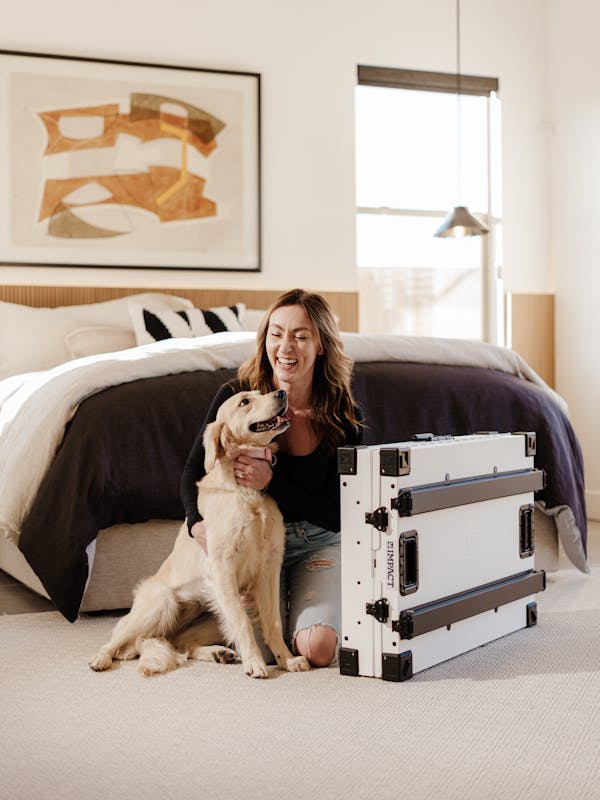
When it comes to protecting your dog, compromising on quality is not an option. Impact Dog Crates stand out as the safest and most durable crates available, designed specifically to withstand the pressures of travel, stress, and even escape attempts.
Features That Set Impact Dog Crates Apart:
- Aircraft-Grade Aluminum Construction: Chew-proof and virtually indestructible.
- Crash-Tested Safety: Proven to keep dogs secure during accidents.
- Secure Locking System: Escape-proof latches that withstand pressure.
- Portable and Stackable Models: Ideal for home use and travel.
- Ventilation and Comfort: Strategically placed air holes keep dogs cool without compromising security.
Final Thoughts: Crating for Safety and Peace of Mind
Crating is not just about keeping your dog contained—it’s about ensuring their safety and protecting your home. Whether you’re managing a high-energy puppy or preparing for emergencies, a reliable crate is an essential tool in responsible dog ownership.By choosing a high-quality, durable crate like those from Impact Dog Crates, you give your dog a secure, comfortable space that protects them from harm and gives you peace of mind. Invest in your dog’s safety today and create a safe, welcoming environment that they will love and feel secure in.
 Dog Safety Systems
Leave a comment