
Bringing a dog into your home is an exciting experience, but it also comes with the responsibility of ensuring your pet’s safety and well-being. One of the most effective ways to dog-proof your home is to set up a reliable and secure crate. A well-chosen crate not only helps protect your dog from potential hazards but also keeps your home intact from destructive behaviors.
In this article, we’ll discuss how to dog-proof your home with the right crate setup and why investing in a high-quality crate makes all the difference.
Why Crate Training Is Essential for Dog-Proofing Your Home
Dogs, especially puppies and high-energy breeds, are naturally curious and love to explore their surroundings. Unfortunately, this curiosity can lead to accidents, injuries, and even destructive behavior. Dog-proofing your home with a crate setup creates a controlled environment where your dog can relax without getting into trouble.
Benefits of Using a Crate for Dog-Proofing:
- Prevents Destructive Behavior: Keeps your dog from chewing on furniture or household items.
- Reduces Risk of Injury: Limits access to dangerous objects and chemicals.
- Supports Housebreaking: Helps teach your dog to hold their bladder and prevents accidents.
- Promotes Calmness: Reduces anxiety by providing a safe, familiar space.
- Enhances Safety During Travel: Keeps your dog secure while on the road.
Step 1: Choose the Right Crate for Your Dog
The first step in dog-proofing your home with a crate setup is choosing the right crate. Not all crates are created equal, and selecting one that suits your dog’s size, behavior, and needs is crucial.
What to Look For in a Dog Crate:
- Durability: Opt for a heavy-duty crate made from sturdy materials like aluminum to withstand chewing and scratching.
- Size: Your dog should be able to stand, turn around, and lie down comfortably.
- Safety Features: Look for secure latches and escape-proof doors to prevent accidents.
- Ventilation: Good airflow is essential to keep your dog cool and comfortable.
- Easy to Clean: A removable floor tray makes cleaning up accidents quick and hassle-free.
Recommended Crate: Impact Dog Crates
Impact Dog Crates are known for their robust construction and thoughtful design. Made from high-quality aluminum, these crates are chew-proof, escape-proof, and built to last. They also feature excellent ventilation, secure locking systems, and are crash-tested for travel safety.
Step 2: Position Your Crate in a Safe Location
Where you place your dog’s crate is just as important as the crate itself. The goal is to find a location that is safe, comfortable, and accessible.
Ideal Crate Placement Tips:
- Quiet Corners: Choose a spot away from high-traffic areas to reduce stress.
- Temperature Control: Avoid placing the crate in direct sunlight or near heating vents.
- Visibility: Dogs like to feel part of the family, so choose a spot where they can see and hear household activity without being overwhelmed.
- Stability: Ensure the crate is on a flat, stable surface to prevent tipping.
Step 3: Make the Crate Comfortable and Inviting
Creating a cozy environment inside the crate encourages your dog to use it willingly. Comfort is key to helping your dog view the crate as a positive space rather than a place of confinement.
How to Make Your Crate Inviting:
- Add Soft Bedding: Choose a washable, durable bed that fits snugly inside the crate.
- Include Favorite Toys: Provide a durable chew toy or puzzle feeder to keep your dog entertained.
- Scent of Home: Use a blanket that smells like you to make your dog feel secure.
- Calming Aids: Consider using a pheromone spray or calming diffuser near the crate to reduce anxiety.
Step 4: Practice Positive Crate Training Techniques
To truly dog-proof your home, your dog needs to feel comfortable and content inside the crate. Use positive reinforcement to build a strong association between the crate and good things.
Training Tips:
- Start Slowly: Let your dog explore the crate with the door open.
- Use Treats and Praise: Reward your dog every time they enter the crate voluntarily.
- Make It a Routine: Incorporate crate time into your dog’s daily schedule.
- Never Use the Crate as Punishment: Your dog should view the crate as a safe space, not a place of isolation.
According to the American Kennel Club (AKC), crate training is an effective way to reduce anxiety and manage behavior, as long as it’s done with patience and positivity.
Step 5: Eliminate Temptations and Hazards Outside the Crate
Dog-proofing your home means making sure that anything dangerous or tempting is kept out of your dog’s reach.
Common Household Hazards:
- Electrical Cords: Use cord protectors or keep them hidden.
- Toxic Substances: Store cleaning products, medications, and chemicals in secure cabinets.
- Small Objects: Keep items like coins, paperclips, and jewelry off the floor.
- Houseplants: Some plants are toxic to dogs; ensure they’re kept out of reach.
- Food and Trash: Use pet-proof trash cans and store food securely.
Crate Time During House Cleaning:
During tasks like vacuuming or mopping, crate your dog to keep them safe from cleaning chemicals and machinery.
Step 6: Monitor Your Dog’s Behavior
Even with crate training and dog-proofing, it’s essential to observe how your dog behaves when left alone. Use a pet camera to check in and make sure your dog remains calm and safe.
Signs of Distress:
- Excessive Barking or Whining: Indicates anxiety or discomfort.
- Chewing on Crate Bars: Can signal frustration or stress.
- Pacing or Digging: Your dog may be feeling trapped or anxious.
If you notice these behaviors, reassess the crate setup and ensure your dog’s physical and emotional needs are being met.
Step 7: Maintain Consistency and Routine
Dogs thrive on routine, and consistent crate use is vital for maintaining good behavior and safety. Establishing a predictable schedule helps your dog feel secure and less anxious when crated.
Sample Routine:
- Morning: Potty break, breakfast, and short crate time while you get ready.
- Midday: Walk, play, and crate rest.
- Evening: Dinner, training session, and relaxing crate time before bed.
Why Choose Impact Dog Crates for Dog-Proofing
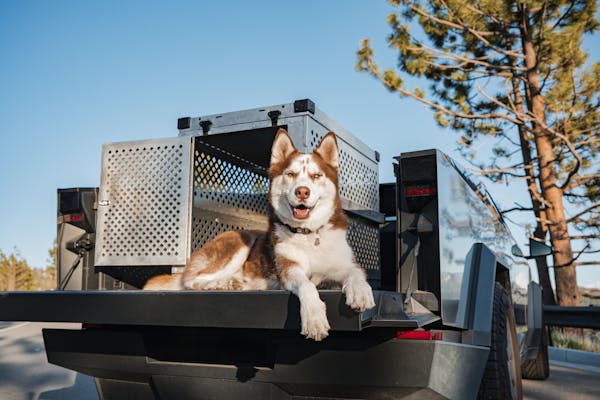
When it comes to dog-proofing your home with a crate, quality matters. Impact Dog Crates offer the durability, security, and comfort your dog needs to stay safe. Their robust aluminum construction resists chewing and escapes, while the superior ventilation and secure latches keep your dog comfortable and contained.
Investing in a high-quality crate from Impact Dog Crates not only protects your dog from potential hazards but also gives you peace of mind knowing that your pet is safe and secure when left alone.
Final Thoughts: Crate Training as a Safety Strategy
Dog-proofing your home goes beyond simply putting objects out of reach. It’s about creating a safe, structured environment that prevents accidents and protects your pet from harm. The right crate setup is an essential part of this strategy, giving your dog a comfortable, secure space where they can relax without getting into trouble.
By choosing a reliable, durable crate and practicing positive training techniques, you’ll create a safe haven for your dog that supports their well-being and your peace of mind.
 Dog Safety Systems
Leave a comment